The illicit excesses of the borderless elite cannot be isolated as an anomaly because they are simply the amplified, logical conclusion of the everyday economic rules we all live by.
From the high-pressure tactics of a local car salesperson to the multi-billion-dollar shell networks of a Black Sea oligarch, the core human driver remains identical—the desire to escape vulnerability, secure wealth, and achieve personal freedom.
Organized crime and elite evasion are not separate from the global market; they are its rawest, most concentrated expression. Because this tendency exists at every tier of the pyramid, localized resistance or simple legal clampdowns are ultimately ineffective.
Addressing these grand excesses is therefore impossible without entirely restructuring the macro-systems—specifically the definition of capital ownership and the foundational mechanics of the monetary system.
1. The Real Meaning of "Billionaire Wealth": Capital vs. Money
To restructure the system, we must first transparently state the nature of modern elite wealth. Billionaires do not possess mountains of currency to buy goods; their wealth has transformed into a systemic operating system.
* Money vs. Structural Power: Once an individual's fortune crosses into the hundreds of millions, money ceases to be a tool for satisfying human needs or buying luxuries. It becomes structural power. It is the power to dictate national infrastructure, rewrite sovereign legislation, fund private armies, and command the technological platforms that shape human consciousness.
* The Ghost Capital Loophole: The macro-system is specifically designed to allow this class of capital to grow indefinitely without ever being subject to the laws of the state. Through a financial dynamic known as the "Buy, Borrow, Die" strategy, the elite never sells their assets (which would trigger a rigid state tax). Instead, they use their massive equity to borrow untaxed cash from global banks at near-zero interest rates to fund their lifestyles and purchase new enclaves. The traditional state monetary system completely lacks the mechanism to regulate or halt this loop.
2. Restructuring Capital Ownership: To Whom Does Capital Belong?
To bring these excesses back into the fold, the global community is increasingly forced to confront the foundational legal question: Who has the right to own the structural machinery of human life?
* The Commons vs. Private Enclaves: The current macro-system treats physical territory, natural resources, and systemic infrastructure as commodities that can be permanently privatized. When a private consortium buys an island like Mamula or Sazan, the natural capital of that geography is permanently severed from the local population. A foundational macro-restructuring requires a legal shift toward treating critical geography and resources as a permanent public trust (the Commons), where private entities can only lease the right to operate, rather than outright owning the sovereign foundation.
* Distributing Equity at the Source: Traditional attempts to rein in wealth rely on redistribution—allowing the elite to accumulate unbridled capital first, and then trying to tax it through rigid state bureaucracies (which always fail due to offshore loopholes). A structural alternative requires pre-distribution: rewriting corporate charters so that capital ownership and profits are structurally distributed among the workers and communities that generate the value in the first place, preventing the hyper-concentration at the top of the pyramid before it can even form.
3. Restructuring the Monetary System: The Debt Trap
The everyday "meanness" and pressure to break moral codes within the general economy is actively driven by the design of our global monetary system, which is fundamentally rooted in debt.
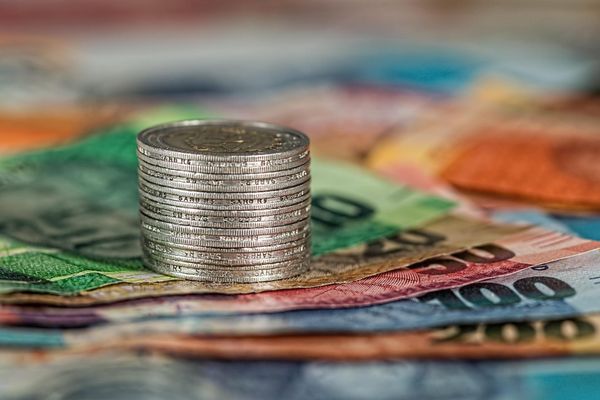
* Money Created as Debt: In the modern global economy, almost all money is brought into existence by commercial banks issuing loans. Because this money is created with an attached interest rate, there is always structurally more debt in the world than there is actual currency to pay it off.
* The Manufactured Scarcity: This design forces the entire global population into a permanent, high-stakes game of musical chairs. It manufactures an artificial scarcity that forces everyday citizens—and corporations—to adopt aggressive, hyper-competitive, and often cutthroat strategies just to survive and service their debts. The local salesperson must use deceptive strategies to sell the car because the underlying monetary system demands constant, unnatural growth to prevent collapse.
Local activity cannot achieve lasting change without addressing the macro-system is a historical and structural necessity.
* The Local Inversion: When local communities, environmental groups, or small-scale political movements attempt to resist a massive development project, they are fighting an asymmetric war. The borderless elite can simply out-spend, out-litigate, or out-wait local resistance by leveraging their borderless capital. If one region passes strict local regulations, the elite simply shifts its liquid wealth to a more desperate, cash-strapped nation next door.
* The Global Level Playing Field: Because capital is completely borderless and unbridled, the rules governing it must also be macro-systemic. True reform cannot happen island-by-island or town-by-town; it requires a coordinated overhaul of the international financial architecture. This includes the implementation of absolute global beneficial ownership registries, the elimination of offshore banking havens, and a fundamental shift away from debt-based currency creation.
--> The Human Scale
Until the international financial and monetary architecture is explicitly redesigned to serve human life rather than pure capital accumulation, the pressure valve will continue to rupture. The unbridled elite will continue to build their opulent, isolated paradises on the historic scars of the world, while the rest of humanity remains trapped in a hyper-competitive race for survival, driven by the very rules of the economy itself.