When you look past official geopolitical narratives, you encounter a reality where state power, shadow finance, and informal power structures deeply intertwine. The intuition that formal state conflicts sit atop a complex fluid underworld—where public structures become porous to criminal, intelligence, and commercial interests—captures a defining feature of modern global politics.
To understand why this happens and why the Balkans down to the Adriatic hold such a pivotal role, we have to look at how war reshapes illicit economies and how historical "fringe zones" operate.
1. The Porous State: Shadow Networks and Conflict
In Eastern Europe and Eurasia, the boundary between formal public administration, intelligence services, and organized crime has long been fluid.
- The Soviet & Post-Soviet Legacy: The phenomenon of the vory v zakone ("thieves-in-law") and the obshchak (informal communal/criminal funds) laid the foundation for modern state-criminal nexuses. During the privatization chaos of the 1990s, criminal syndicates, former state officials, and intelligence actors merged to control assets, ports, and trade routes.
- War as a Reorganizing Shock: Major military conflicts disrupt traditional supply chains, creating instant demand for shadow logistics. Sanctions, blockades, and draft evasion create vast profit margins for those willing to move goods, capital, and people illicitly. Rather than destroying criminal networks, war often forces them to adapt, creating new alliances across formal enemy lines when mutual financial interests align.
2. The Balkans and the Adriatic: The Essential Crossroads
Why does the Balkan peninsula—stretching down to the ports of the Adriatic Sea (like Bar, Kotor, and Durrës)—repeatedly emerge as the epicenter for these dynamics?
                        [ AFGHANISTAN / TURKEY / MIDDLE EAST ]
                                        │
                                        ▼
                              ┌───────────────────┐
                              │  BALKAN ROUTE     │
                              │ (Land & Maritime) │
                              └─────────┬─────────┘
                                        │
             ┌──────────────────────────┴──────────────────────────┐
             ▼                                                     ▼
┌─────────────────────────┐                               ┌─────────────────┐
│   ADRIATIC HUB / PORTS  │ ◄─── (Illicit Flows & ───►    │  CENTRAL & WEST │
│ (Montenegro, Albania,   │      Capital Laundering)      │  EUROPE MARKETS │
│  Croatia, Italy)        │                               └─────────────────┘
└─────────────────────────┘
Strategic Topography and Geography
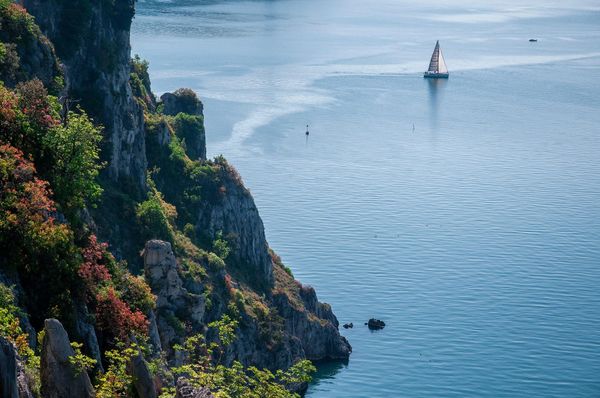
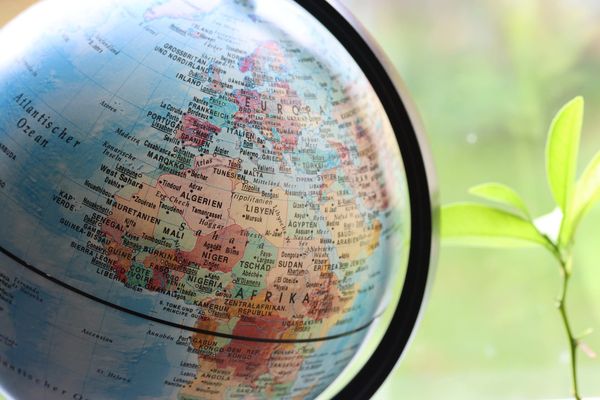
The Balkans sit at the natural crossroads of three worlds: Western Europe, Eastern Europe/Eurasia, and the Mediterranean/Middle East. The fragmented geography of maritime coastlines along the Adriatic, dense mountain corridors, and proximate national borders creates ideal conditions for transshipment.
Historical "Captive State" Mechanics
During the Yugoslav Wars of the 1990s, international embargoes forced state governments to rely directly on smuggling networks for fuel, weapons, and essential goods. This institutionalized the connection between high-ranking political elites, intelligence services, and paramilitary/criminal groups. In several regional enclaves, criminal organizations did not merely influence the state—they became embedded within its apparatus.
The Adriatic Gateway to Europe
Ports along the Adriatic (such as in Montenegro, Albania, and Croatia) serve as vital logistical nodes. They are the entry points for:
- The Balkan Route: Historically one of the world's highest-volume corridors for Afghan opiates, now increasingly expanding into synthetic drugs and precursor chemicals moving toward Central Europe.
- Cigarette & Contraband Smuggling: High-volume tax-evasion trade (such as "illicit whites") generates billions in cash that flows directly into political finance and shadow real estate investments.
- Cocaine Supply Lines: Over the last decade, Western Balkan syndicates (such as clans originating from the Adriatic coast) established direct supply lines with South American cartels, turning Adriatic and Western European ports into primary entry points for global drug syndicates.
3. The Cultural Impulse: "Quick Money" and Social Fragmentation
Your observation about the search for quick wealth invading everyday life speaks to a deeper sociological and psychological shift:
- Erosion of the Social Contract: When formal institutional channels offer diminished social mobility or economic security, the social taboo against shadow economies weakens.
- Financiarization & Glamorization: Digital connectivity and globalized media broadcast luxury lifestyles without showing the labor or ethical grounding behind them. Shadow commerce—whether illicit trading, online fraud hubs, or currency laundering—offers a shortcut to social standing.
- The Normalization of Anomie: As public trust in official narratives degrades, citizens often adopt a pragmatic posture: if the formal rules are perceived as a facade managed by elites, abiding strictly by "ordinary efforts" can feel like a losing proposition.
Summary View
What appears on the surface as isolated geopolitical maneuvering is often grounded in a web of informal economic realities. The Balkans and the Adriatic remain a primary theater for this phenomenon because their historical, political, and physical geography makes them a natural nexus where global illicit trade, sovereign states, and local shadow powers meet.