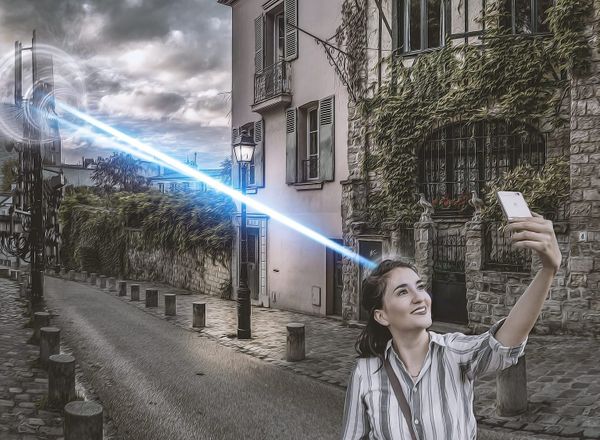
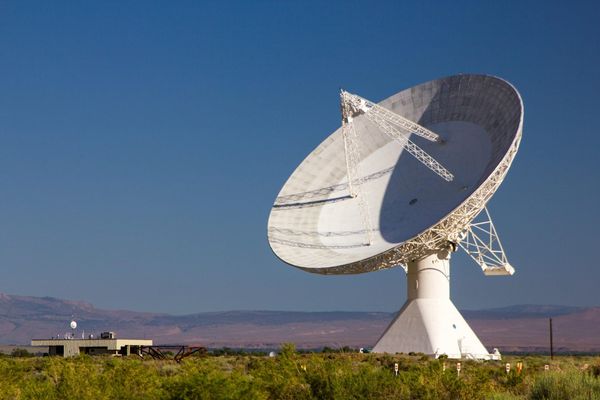
EM radiation → molecule changes shape → biochemical cascade → electrical change in cell → neural processing → vision
A thought, memory, sentence or intention isn't stored in one neuron like a byte in computer memory. Neural representations involve complicated populations and temporal patterns of activity.
How does something outside the nervous system become an electrical/electrochemical event that neurons can use?
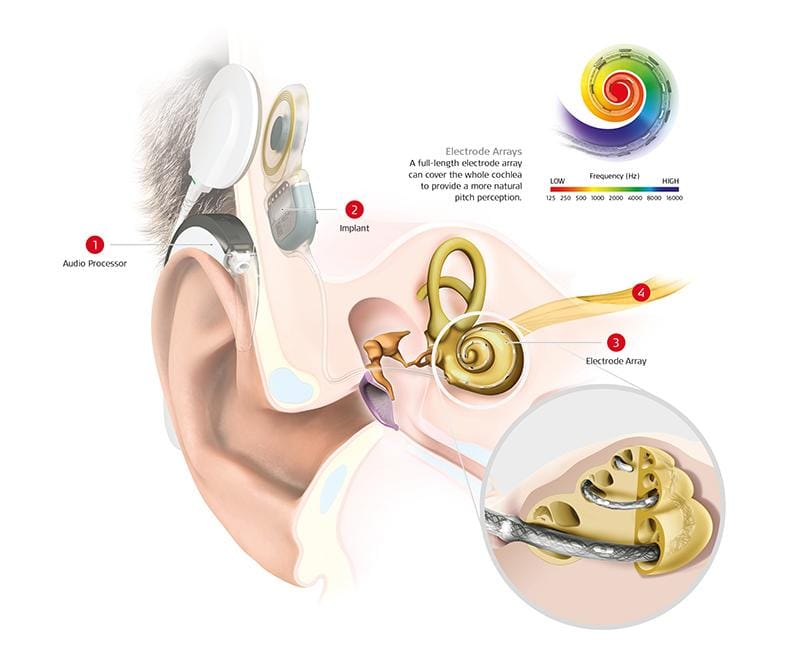
What exactly is a transducer, and how can electromagnetic energy be converted into a biological signal? We could compare five real examples side by side: the retina, cochlea, microwave auditory effect, cochlear implant, and modern brain-computer interface. Once we understand those, we'll have a remarkably good yardstick for judging much more speculative claims about EMF, towers, implants and nano-particles.
This comparison gives us a useful framework because all five cases ultimately confront the same problem:
How does something outside the nervous system become an electrical/electrochemical event that neurons can use?
A transducer is simply a structure or device that converts energy or information from one physical form into another. Your microphone, for example, converts pressure variations in air into an electrical signal. Biological sensory organs do something analogous.
System
Incoming phenomenon
Transducer
Immediate output
Nervous system receives
Retina
visible EM radiation
photoreceptor molecules/cells
altered membrane potential
neural signals
Cochlea
mechanical sound
hair cells
altered membrane potential
neural signals
Microwave auditory effect
pulsed RF
tissue → thermoelastic pressure wave → cochlea
mechanical vibration
auditory neural signals
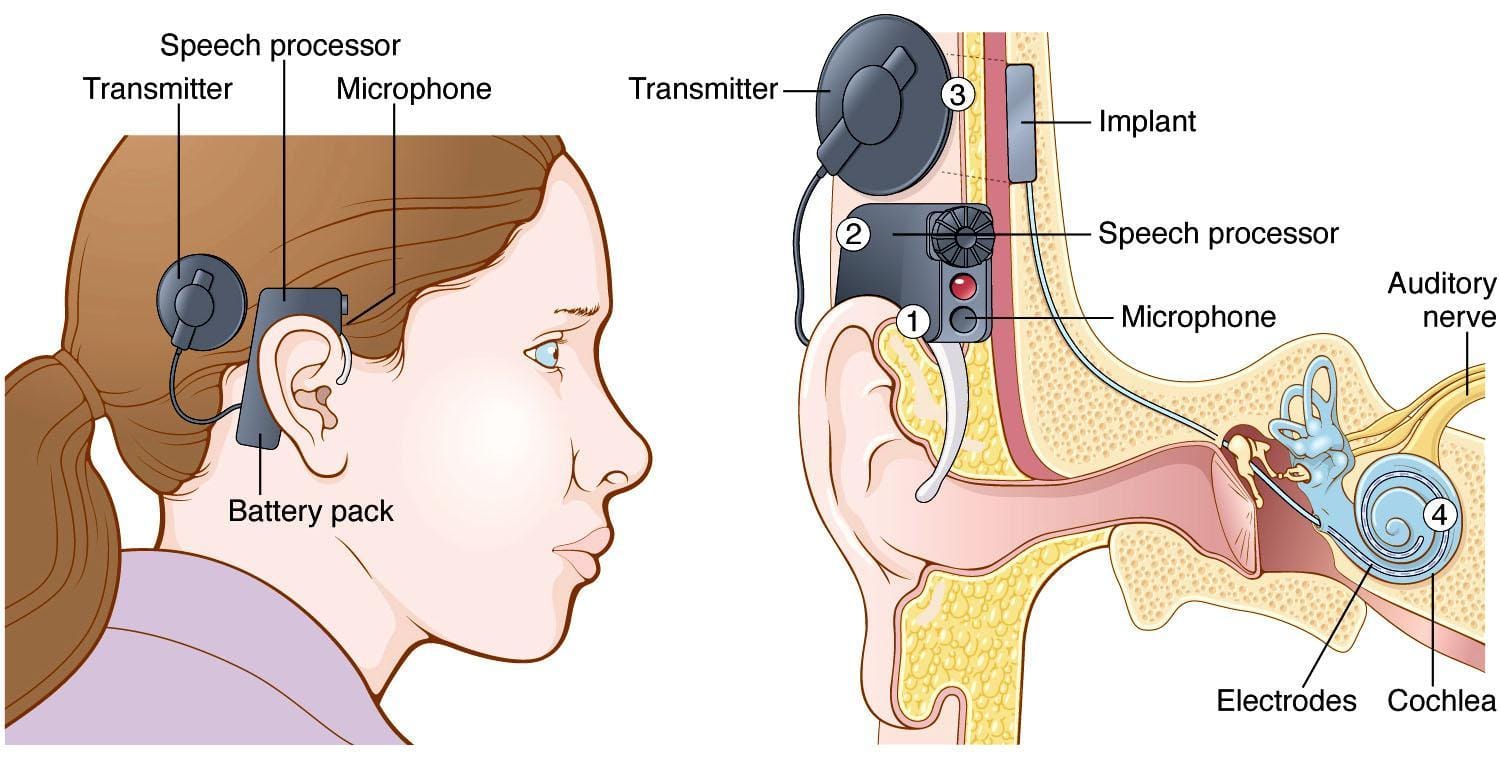
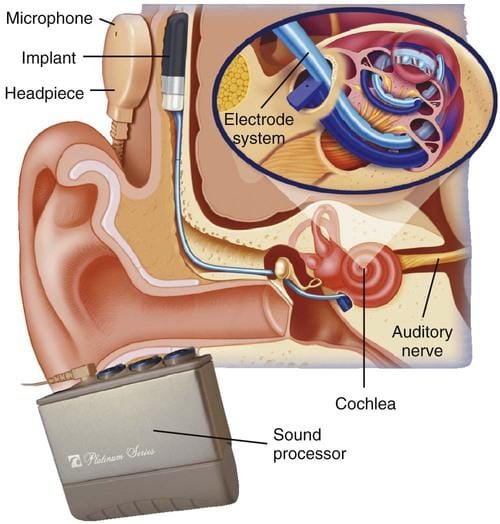
Cochlear implant
sound → electronics/RF
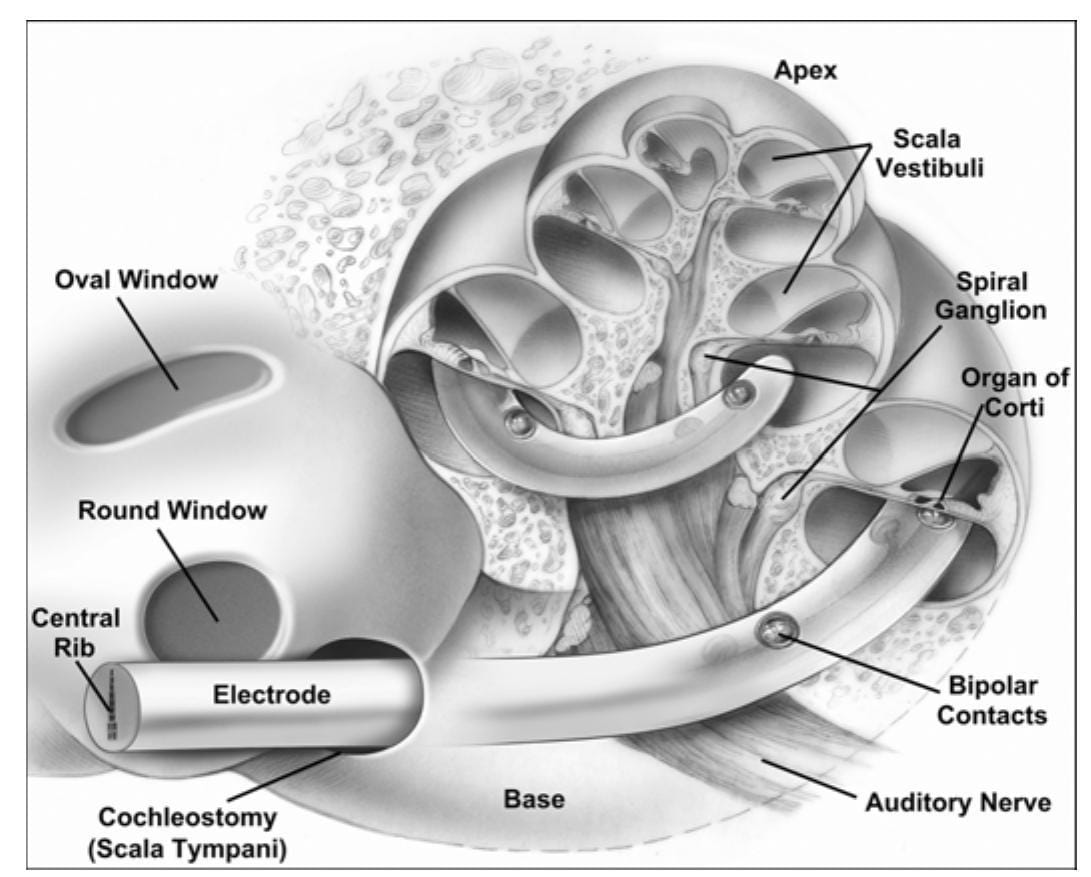
implant + electrodes
electrical current
stimulated auditory nerve
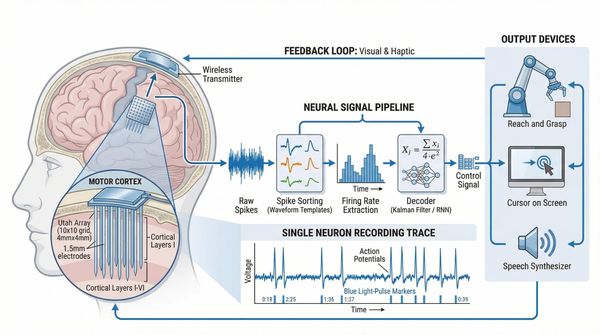
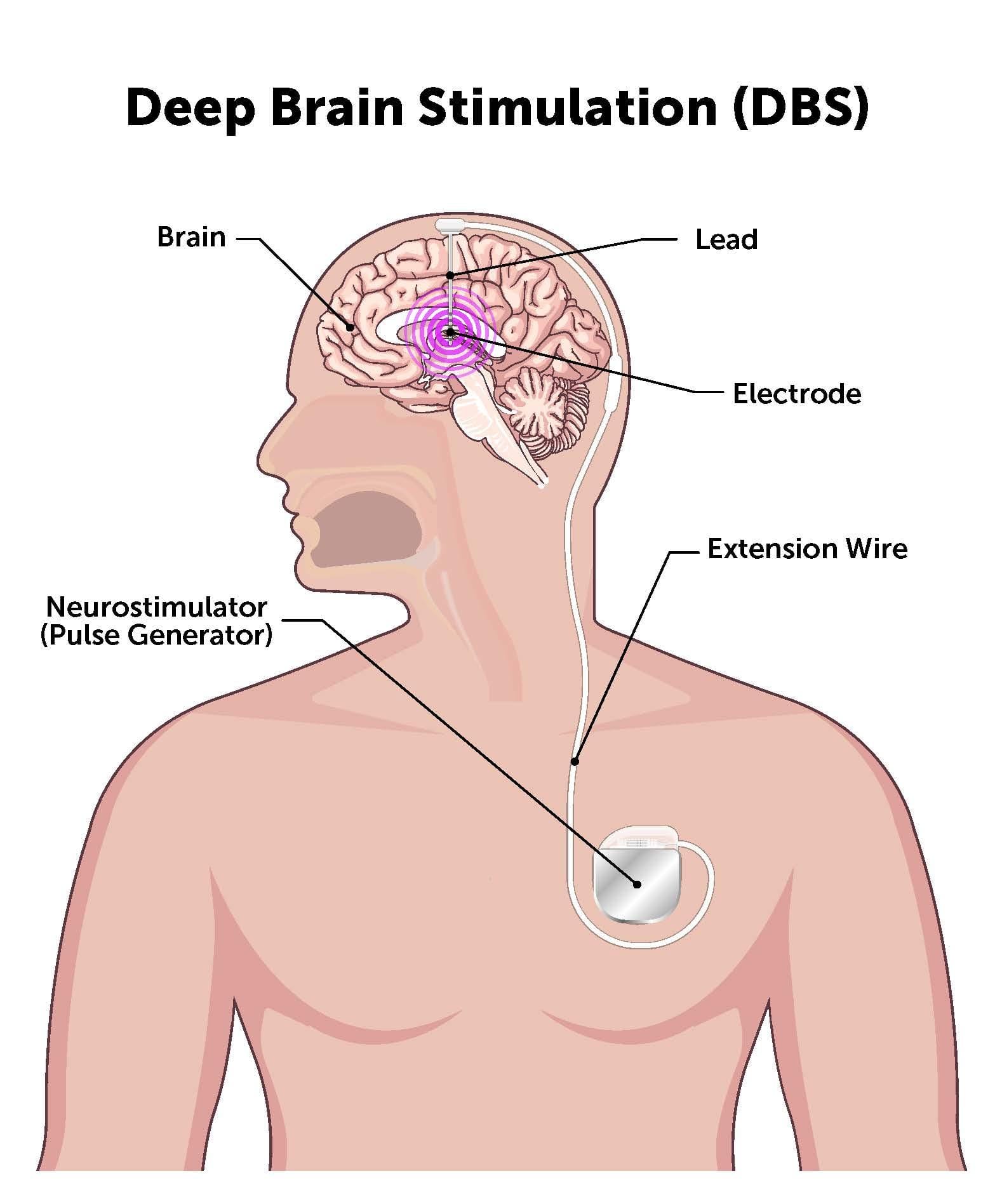
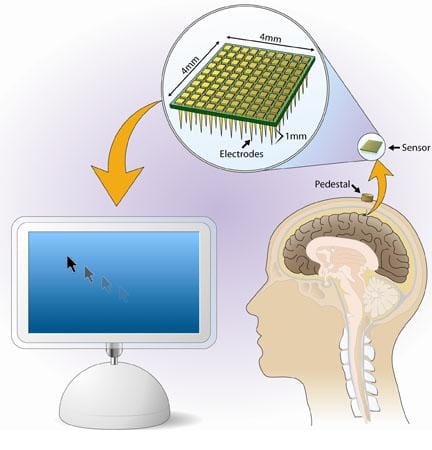
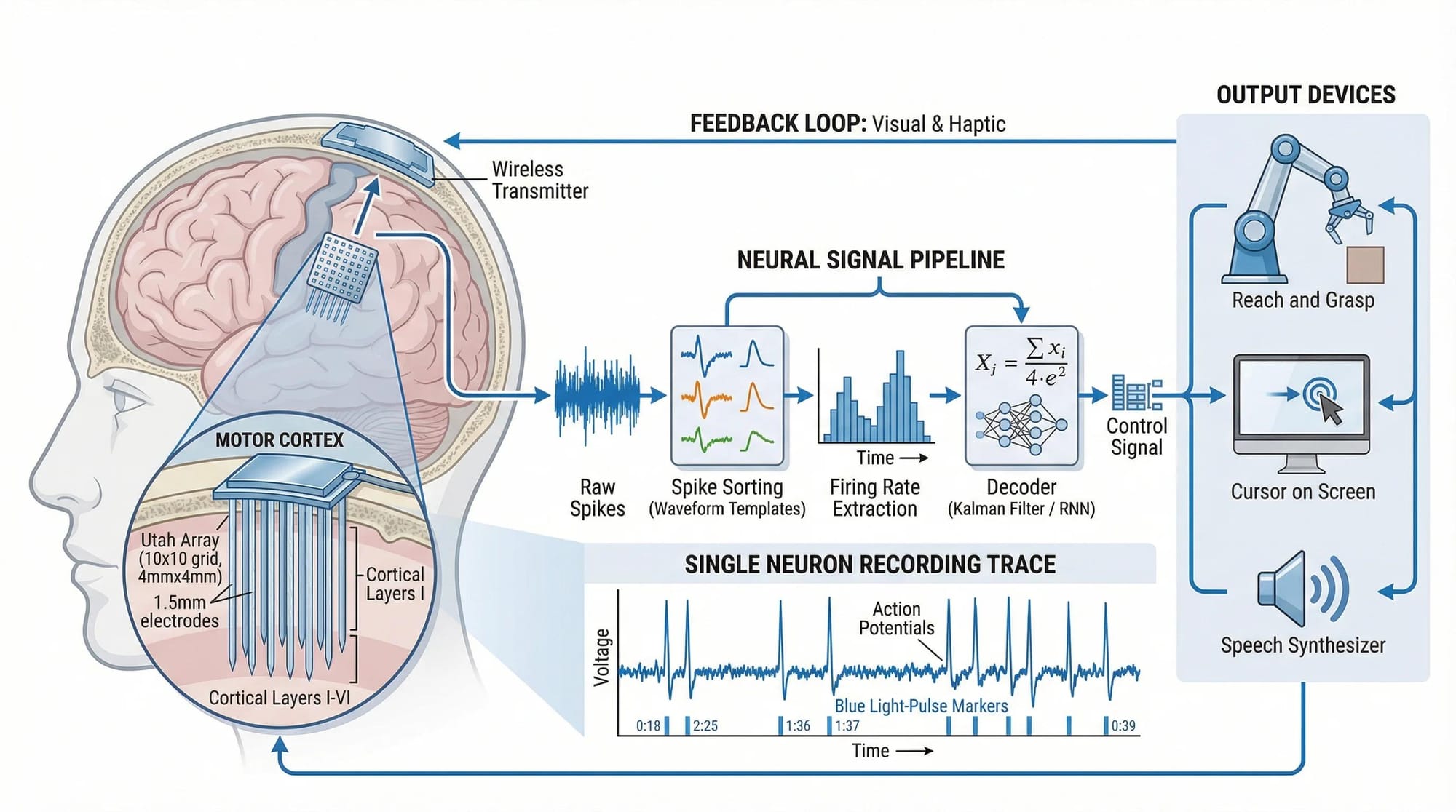
Neural implant/BCI
electronic data
electronics + electrodes
electrical stimulation
altered neural firing
The differences are extremely revealing.
1. The retina: nature already built an electromagnetic transducer
This is perhaps the most striking example.
Light is electromagnetic radiation. A photon enters your eye and reaches a photoreceptor in the retina. There, molecules such as rhodopsin absorb photons.
That produces a molecular conformational change, triggering a biochemical cascade that changes ion channels and therefore the photoreceptor's membrane potential.
So:
EM radiation → molecule changes shape → biochemical cascade → electrical change in cell → neural processing → vision.
There is therefore nothing inherently strange about electromagnetic energy producing conscious perception.
But there's an essential qualification: the eye contains extraordinarily specialized molecular machinery adapted to a particular portion of the electromagnetic spectrum.
A 3.5-GHz cellular signal doesn't activate rhodopsin like visible light does.
Tiny stereocilia on the hair cells bend. Mechanically gated ion channels respond, changing the electrical state of the cell.
So remarkably:
mechanical movement becomes electrical activity.
Again, there is a highly specialized interface.
The brain doesn't "hear sound waves." The brain receives neural activity produced after the cochlea has translated mechanical energy into biological electrical signals.
3. Microwave hearing: an indirect EM transducer
This case is especially instructive for our investigation.
Pulsed microwave/RF energy is absorbed by tissue.
That produces an extremely small, rapid temperature rise.
Rapid thermal expansion produces a pressure wave.
That pressure wave propagates through tissue to the cochlea.
With implanted stimulation we can, in principle, intervene farther downstream:
information → electronic decoder → electrode → neurons.
But this also exposes the enormous difficulty behind the idea of "putting thoughts into someone's brain."
Stimulating a neuron isn't equivalent to inserting a thought.
A thought, memory, sentence or intention isn't stored in one neuron like a byte in computer memory. Neural representations involve complicated populations and temporal patterns of activity.
Now compare this with the hypothetical nanoparticle
This is where our framework becomes particularly useful.
Imagine a magnetic nanoparticle inside tissue.
An external field might make that particle move, rotate, heat, fluoresce, change magnetic state, or influence something chemically—depending entirely upon what material and engineering we're talking about.
That would give us:
external EM field → nanoparticle response.
But we still haven't reached:
→ neural signal → perception.
There must be another coupling mechanism.
Perhaps, in a deliberately engineered experimental system:
field → engineered particle → heating/mechanical/chemical change → ion channel → neuron.
Researchers really do investigate variants of such ideas.
But compare that with the much stronger hypothetical claim:
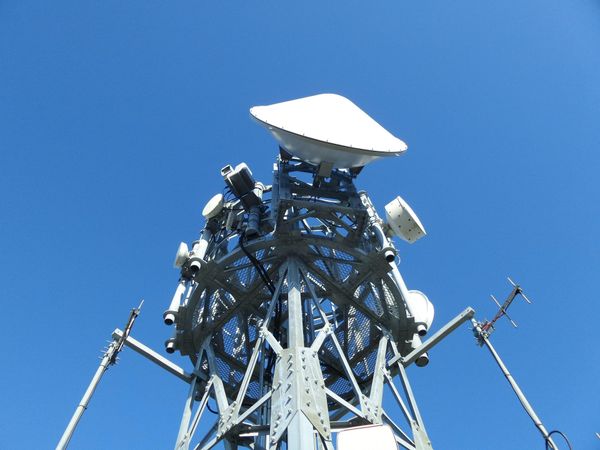
cell tower → nanoparticle → decoded cellular data → specific neural pattern → intelligible internal voice.
That's why merely discovering nanoparticles in tissue would not establish anything resembling remote mind communication.
The common principle
Now stand all five examples beside one another.
Something interesting emerges:
PHYSICAL PHENOMENON
↓
SELECTIVE COUPLING
↓
TRANSDUCTION
↓
BIOLOGICAL ELECTRICAL CHANGE
↓
NEURAL CODING
↓
PERCEPTION
The retina demonstrates EM → molecular → neural.
The cochlea demonstrates mechanical → neural.
Microwave hearing demonstrates EM → thermal → mechanical → neural.
The cochlear implant demonstrates sound → electronic information → electrical → neural.
A BCI demonstrates that we can potentially go electronic information → neural stimulation more directly.
And therefore I would modify our earlier chain:
FIELD → ENERGY → COUPLING → TRANSDUCTION → NEURAL SIGNAL → PERCEPTION → MEANING
Meanwhile information runs somewhat differently through that chain. Information isn't another kind of energy added to it. It resides in the organization of physical states.
That leads us to what I think is now the really interesting next question:
How does a biological system distinguish a meaningful pattern from mere electromagnetic energy?
Because that takes us straight to the heart of your original concern.
Suppose two electromagnetic signals deliver exactly the same average amount of energy to tissue, but one is a simple repetitive carrier while the other has an extraordinarily complicated temporal structure.
From the standpoint of heating, they might conceivably be quite similar.
But could a biological system somehow be sensitive to their pattern?
For that to happen, there must be some physical mechanism capable of distinguishing those patterns—a receptor, resonance, nonlinear process, membrane response, molecular process, or other transduction mechanism.
That is where the question of energy versus information in biological effects becomes scientifically very interesting—and also where we need to distinguish demonstrated mechanisms from hypotheses.
Seeing Beyond, a research initiative focused on spiritual science, living cognition, and the threshold experiences of modern life.
An initiative grounded in a spiritual-scientific approach to self- and world-observation.
Comments
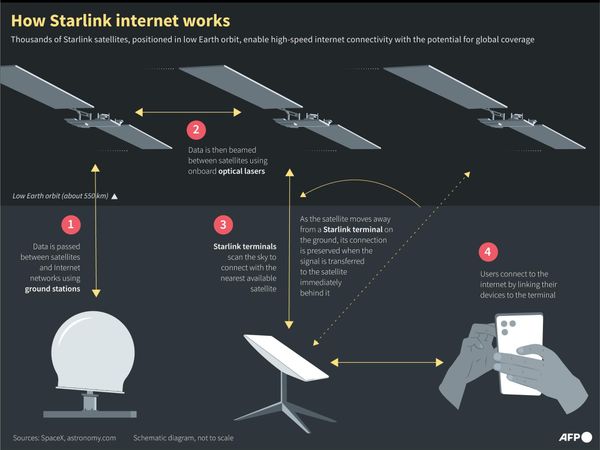
StarLink does change the geography of the question.