Dragons and Still Water
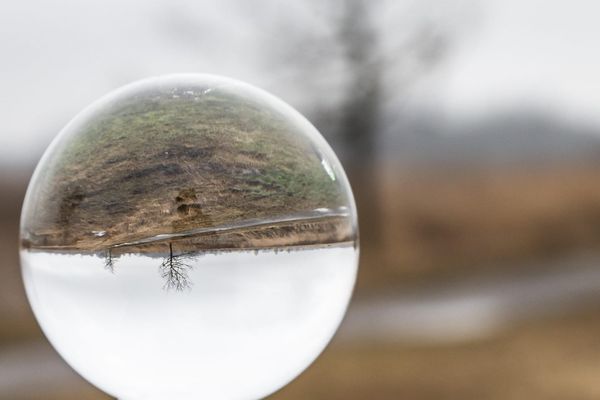
Maybe still water, like a mirror, is a kind of portal that attracts entities that desire to cross over into our realm.

– 1 min read
Maybe still water, like a mirror, is a kind of portal that attracts entities that desire to cross over into our realm.
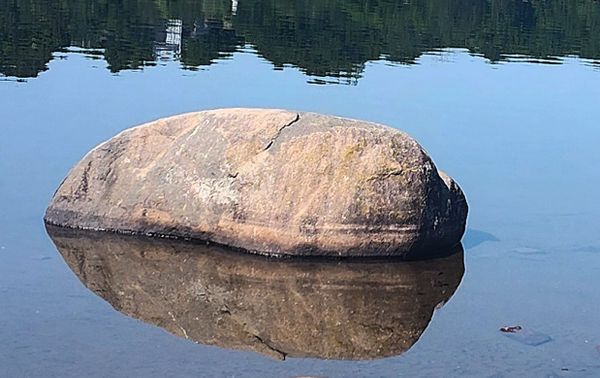
A lot of myths from across the globe agree on the fact that when water moves of its own accord, without any wind or touch, you’re likely dealing with a dragon, or even a malignant fairy. This is something most of us have forgotten.
The beauty of a reflection in quiet water can move people deeply, but perhaps we do not exactly know why. We can say it is beautiful or serene. It draws us to contemplation, but it’s very hard for the modern, reductionist mind to ask if there could be more to it. You would seem quite ridiculous if you said the quiet water gives us a sense of safety. There are no dragons there.
Maybe still water, like a mirror, is a kind of portal that attracts entities that desire to cross over into our realm. When quiet water suddenly churns in an uncanny way, is this a bridge being created between the astral and physical realms, the perfect stillness of a reflection being a sort of liminal zone that calls the unseen closer? Many of our ancestors thought so.
The Algonquin people, who once roamed the Laurentian Mountains of Quebec, spoke of a Mishiginebig, a giant water serpent with horns that ruled the realm of the dead. This creature inhabited the lakes, rivers, and seas of the region, dispensing both terror and power to those who encountered it. The Welsh told of Ceridwen, the enchantress who lived at the bottom of deep lakes and worked mischief on those unfortunate beings who incurred her wrath. Overturned boats, drownings, and sudden storms were attributed to such beings.
It is interesting to visit a quiet lake, sea, or even a pond in different conditions and note what feelings are evoked by the moods of the water. Could it be that traces of ancient and magical beings that once appeared to us in these spots long ago can still be felt, perhaps even more, by those of us who spend time lingering in their former haunts? I think there is only one way to find out…