Morphology Series: 7. The Human Form as Cosmic Memory
What once streamed as will through the stars, as wisdom through the hierarchies, has condensed into the architecture of the human being.
– 3 min read
What once streamed as will through the stars, as wisdom through the hierarchies, has condensed into the architecture of the human being.
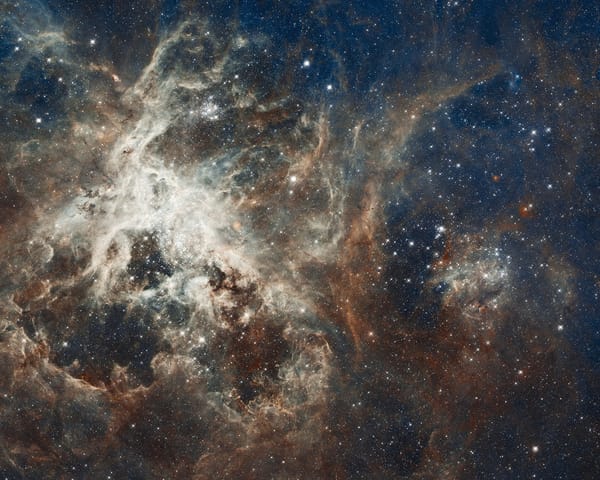
To stand before the human form in reverence is to behold a memory — not of the past alone, but of all that the cosmos has ever desired to become.
Every curve, every joint, every rhythmic motion is the residue of worlds.
What once streamed as will through the stars, as wisdom through the hierarchies, has condensed into the architecture of the human being.
The body is not a shell but a scroll, a sacred record written in substance.
In its gestures lives the history of creation; in its uprightness, the prophecy of freedom.
Each animal carries one fragment of the cosmic archetype.
In the lion lives courage, in the eagle vision, in the cow devotion, in the serpent wisdom turned inward.
The human being, however, contains them all.
His form is not specialized, but reconciled.
Where animals are perfected organs, the human being is potential made flesh — the place where evolution remembers itself as totality.
This is why the human form appears so restrained, so balanced, so incomplete: it is held back from being anything definite, so that it may become everything in freedom.
If we could see the human form clairvoyantly, we would behold the memory of the stars.
The dome of the skull echoes the celestial vault; the column of the spine mirrors the planetary axis; the limbs radiate like the cosmic cross.
The heart beats with the rhythm of the sun; the breath moves with the tides of the moon.
In the ancient Mysteries, temples were built after the pattern of the human being because the initiates knew:
The true sanctuary stands not in stone, but in the body through which spirit learns to dwell on earth.
To live in the human form consciously is therefore to participate in cosmic remembrance — to bear within oneself the architecture of heaven transformed by the gravity of love.
All that lives in the animal realm — instinct, desire, cunning, beauty, ferocity — finds in the human being its redemption.
Through uprightness, the forces that once bound the creature to the earth are lifted into expression, into art, into moral imagination.
The mouth becomes word.
The claw becomes hand.
The gait becomes step of destiny.
The breath becomes prayer.
The blood becomes the bearer of compassion.
What nature began as necessity, the human being completes as freedom.
In him, creation remembers itself as love.
Our physical form is only the residue of this grand metamorphosis.
But within it — shimmering just beyond sense — lives the etheric body, the living architecture that renews the form from within.
It is here that the future human being is already being woven: the body of light, the temple not made by hands.
Every act of reverence, every truthful thought, every deed of kindness shapes this future form.
Through moral activity, the human being sculpts his resurrected body.
Thus, evolution is no longer a process of nature but of spirit.
In this sense, the human form is not complete — it is becoming.
It is the chrysalis of the divine human yet to come.
Sit quietly and recall your own form — not in pride, but in wonder.
Sense the upright line that runs through you, from the ground beneath your feet to the light above your head.
Remember the hands that can shape and the heart that can feel; the face that can reveal, and the breath that can speak.
Each of these gestures is a note in the great cosmic symphony that has condensed into you.
Now imagine this form not as your possession, but as a gift of the world —
a sacred vessel entrusted to you so that consciousness might awaken within creation itself.
To live in this awareness is already to participate in resurrection:
the return of spirit into form, and of form into spirit.