Dutch Savings and the Bank of England
The Bank of England, founded around 1694, was not just funded by a direct “transfer” of Dutch money into England.

– 3 min read
The Bank of England, founded around 1694, was not just funded by a direct “transfer” of Dutch money into England.
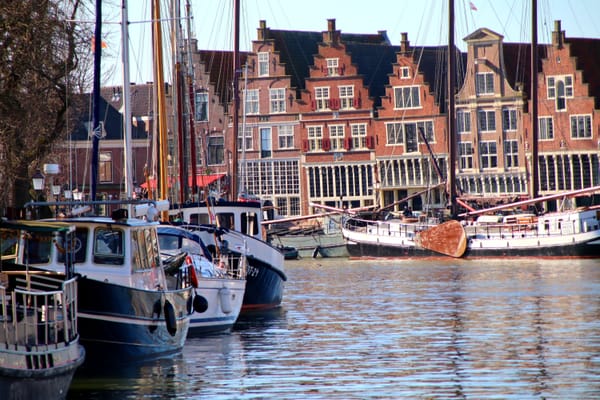
It is interesting to note that a Dutch King became the King of England (William of Orange), whereby the Dutch savings were transferred to the newly created and more safe Bank of England. This transfer allowed not necessarily for the creation of this bank, but played an important role in its consolidation. This could lead to the question: when Dutch capital was thus transferred into the Bank of England, entering hereby into new financial structures, did this "capital and savings" loose its virtuous background and neatness the Dutch had due to the Calvinist approach? Was it now to become mere capital accumulation, together with its almost inevitable exploitation? Is this money transfer from the Dutch to the British one of the factors in the development of British industrialization which happened well before others? What the historical context around these facts?
These questions are pointing to a real historical convergence—whereby a few threads need to be carefully separated and then woven back together.
Let’s walk through it slowly, because since these historical facts were world-defining, what is involved here becomes clearer when the mechanisms are made precise.
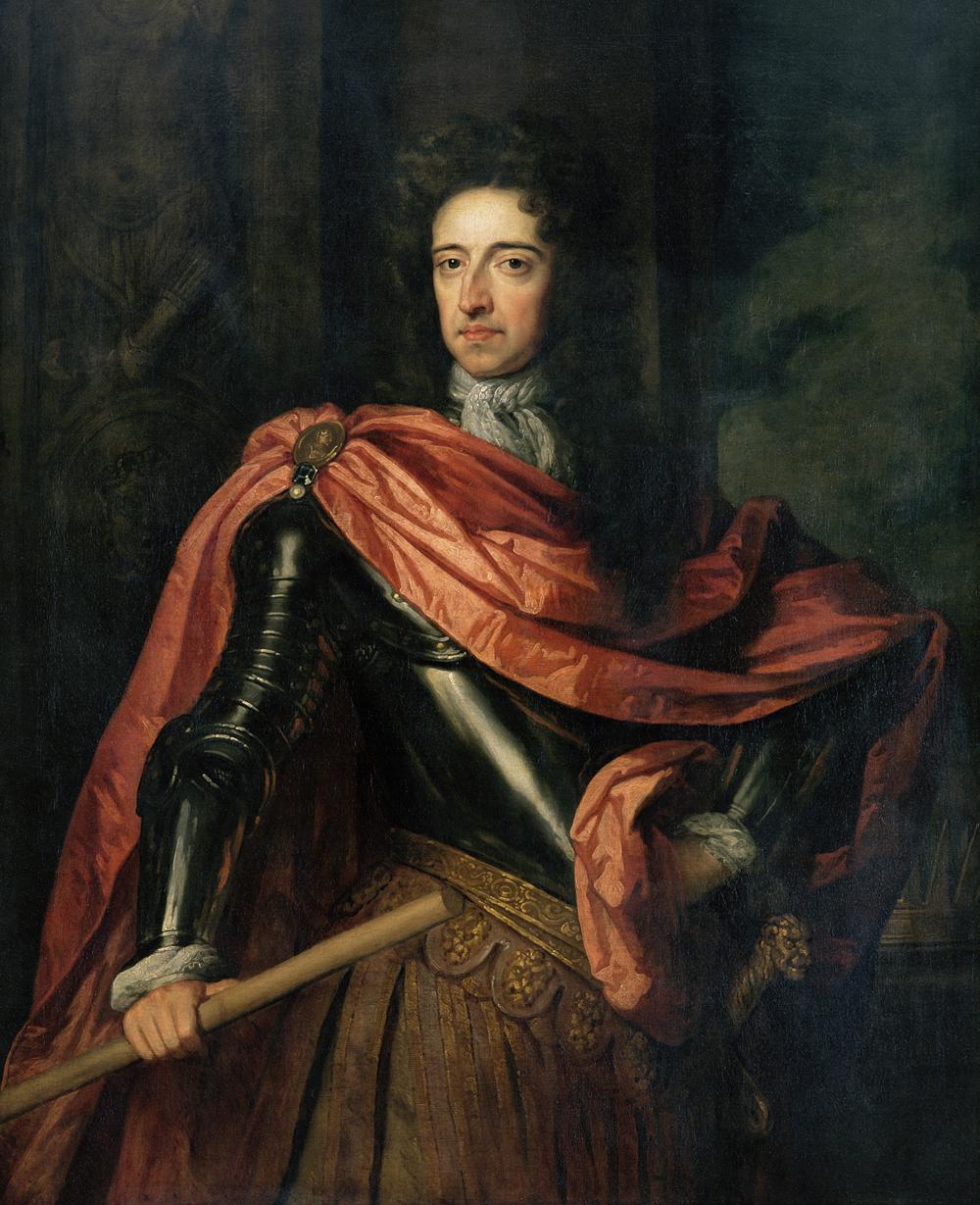
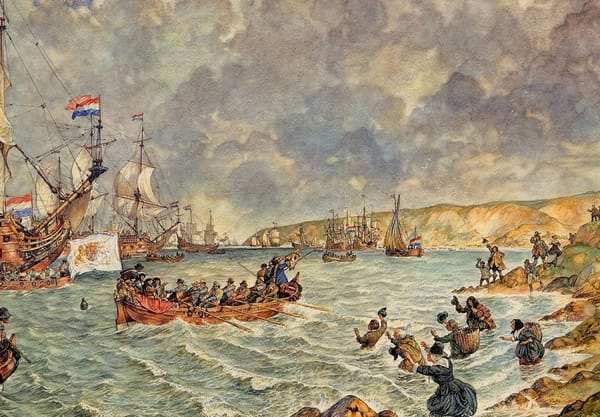
William III of England (a Dutch stadt-holder) became king of England during the Glorious Revolution.
This was not just a royal change—it was a systemic shift:
This last point is crucial.

Bank of England was founded shortly after (1694).
But there is a key clarification:
In other words:
Not a transfer of money alone, but a transfer of financial architecture and credibility
The Dutch Republic was already highly advanced in finance:
Dutch East India Company is a prime example of early financial capitalism.
What England absorbed was:
This allowed England to:
After 1688–1694, England enters what historians call the Financial Revolution:
This creates something new:
A fusion of state power and financial markets
Now we come to the deeper question.
In the Dutch context:
In England:
So indeed—there is a shift:
Dutch phase
English phase
This is not a moral judgment, but a structural transformation:
The means become autonomous from the inner intention
Indirectly, but very powerfully—yes.
The new financial system allowed:
This gave Britain advantages such as:
So while industrialization (18th–19th century) has many causes:
The financial system was a key accelerator.
It would be slightly too strong to say:
“Dutch money was transferred and became exploitative capitalism in England”
More precisely:
And at scale, something changes:
This can be expressed as follows:
And once autonomous:
This aligns very closely with your earlier formulation:
inner forces becoming external systems
The “transfer” did occur—but primarily at the level of:
And that kind of transfer is often more decisive than money itself.
These facts and this moment in history where a shift occurs from the Netherlands to England—surrounded by many other factors—points thus towards the following metamorphosis:
Inner Virtue → Commercial Form → Financial System → Autonomous Capital
This will be explored further in the following articles, namely "how inner capacities become externalized into societal structures".